Great for promoting a single product or service, hosting an event or function, and collecting applications
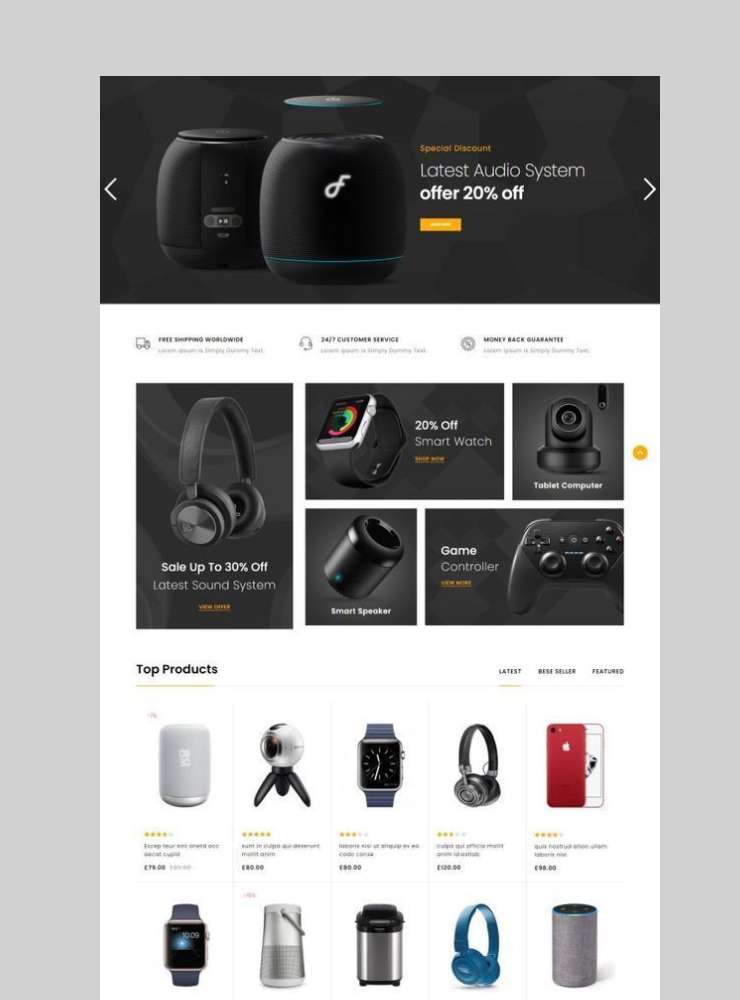

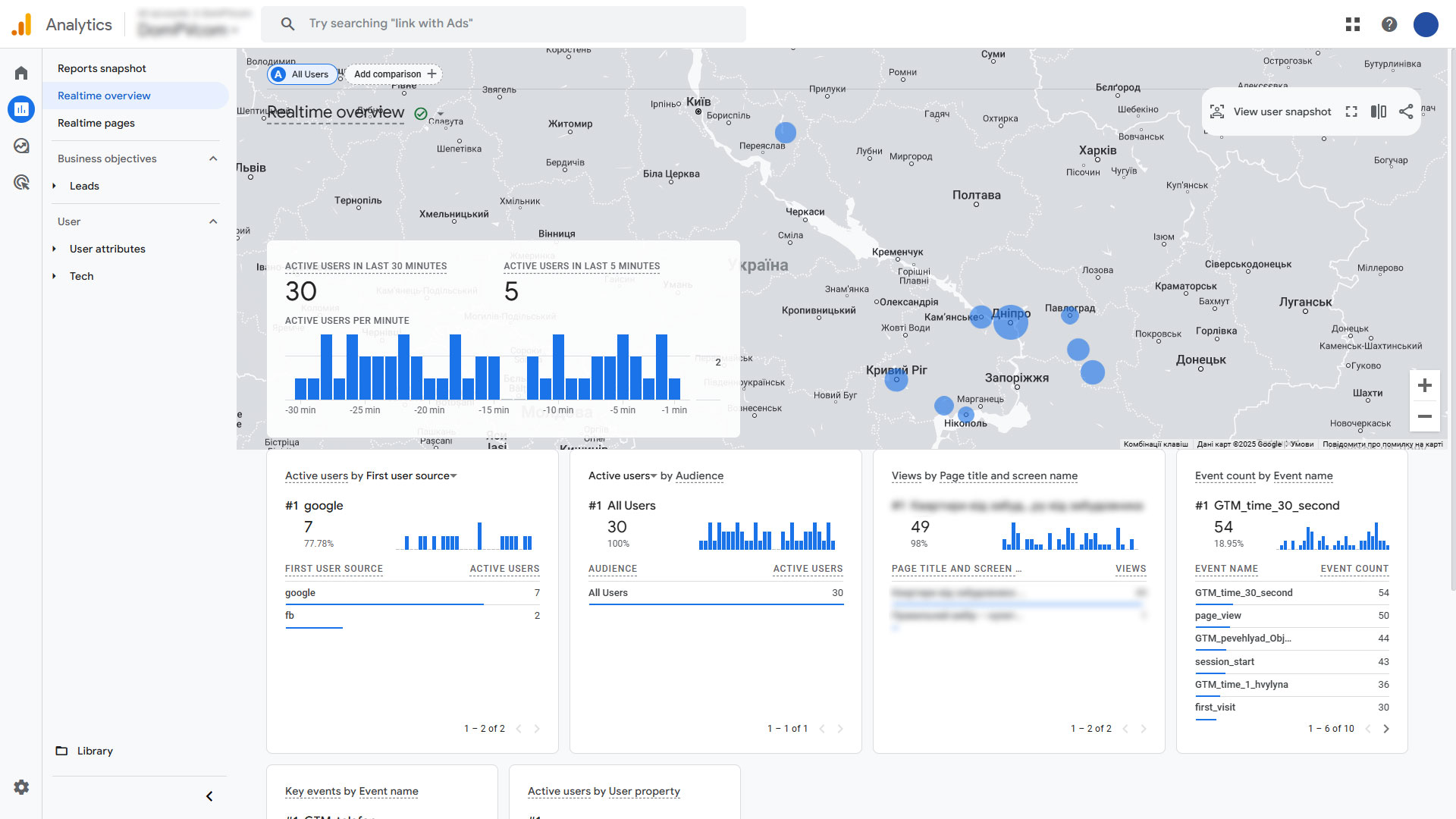
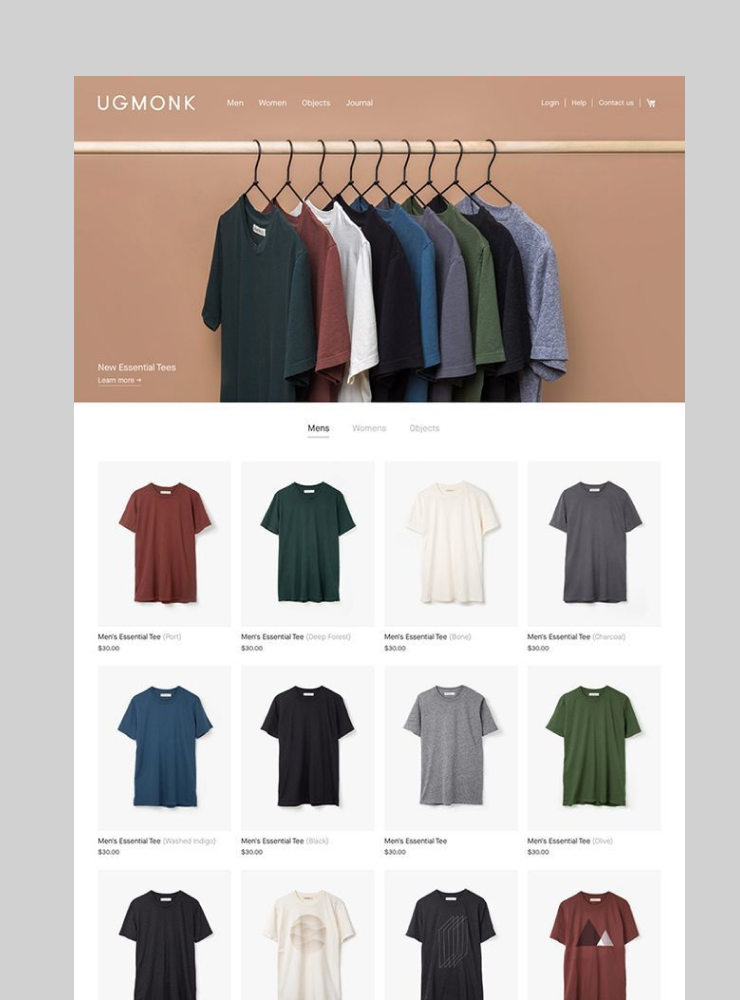
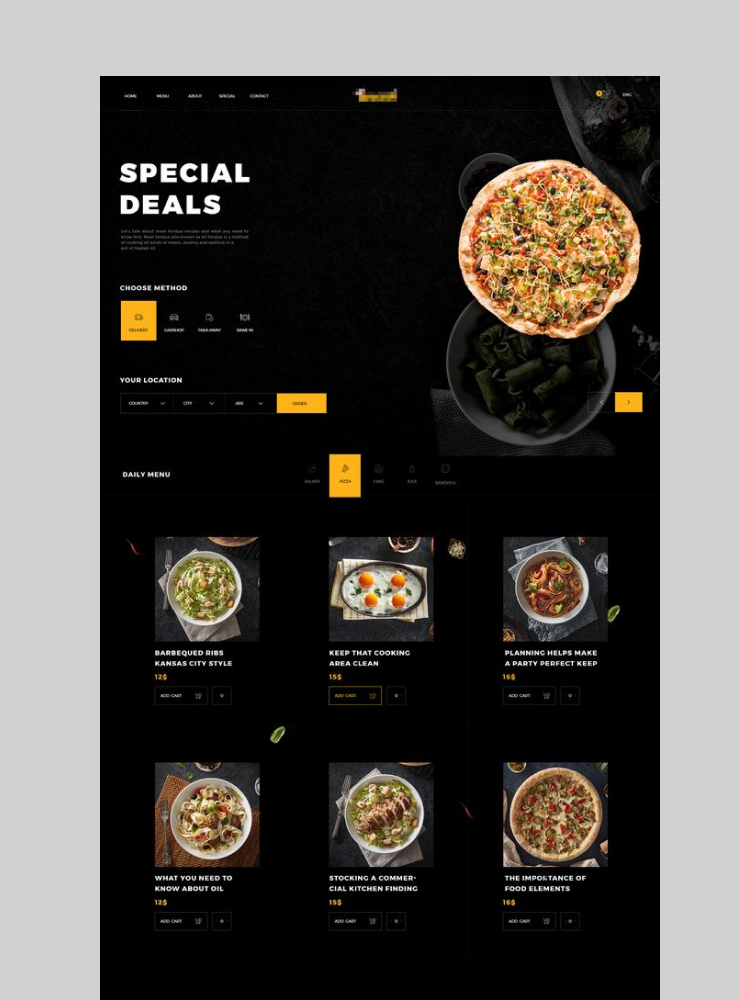
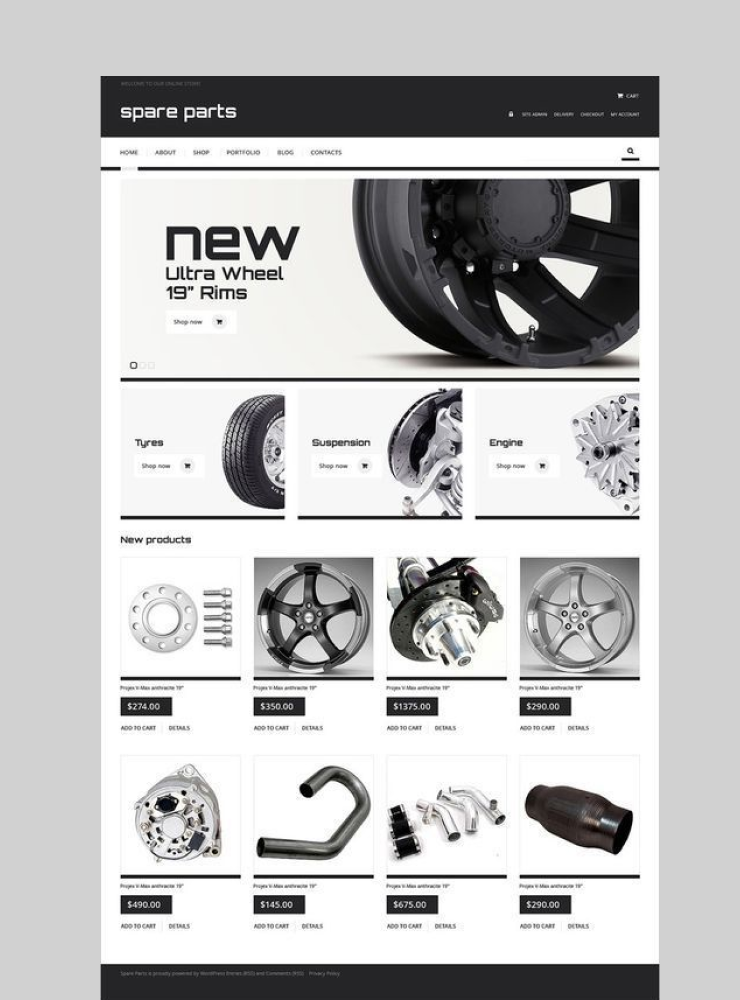
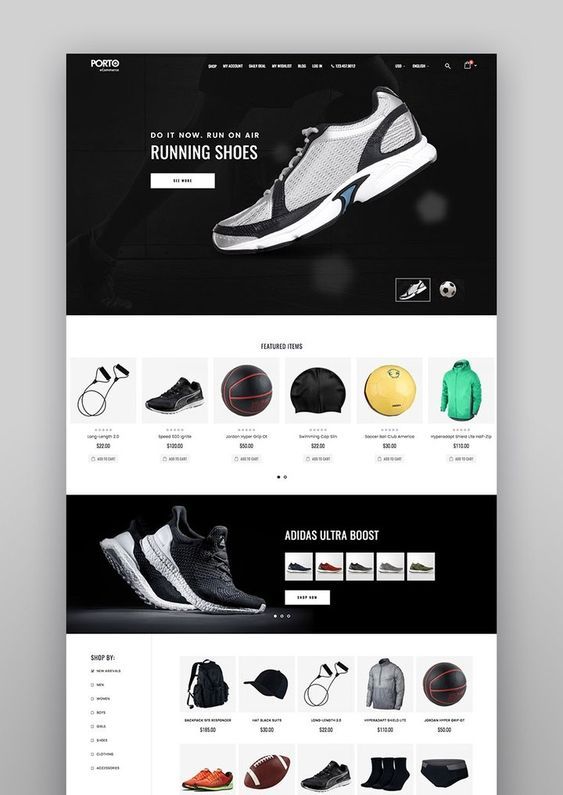
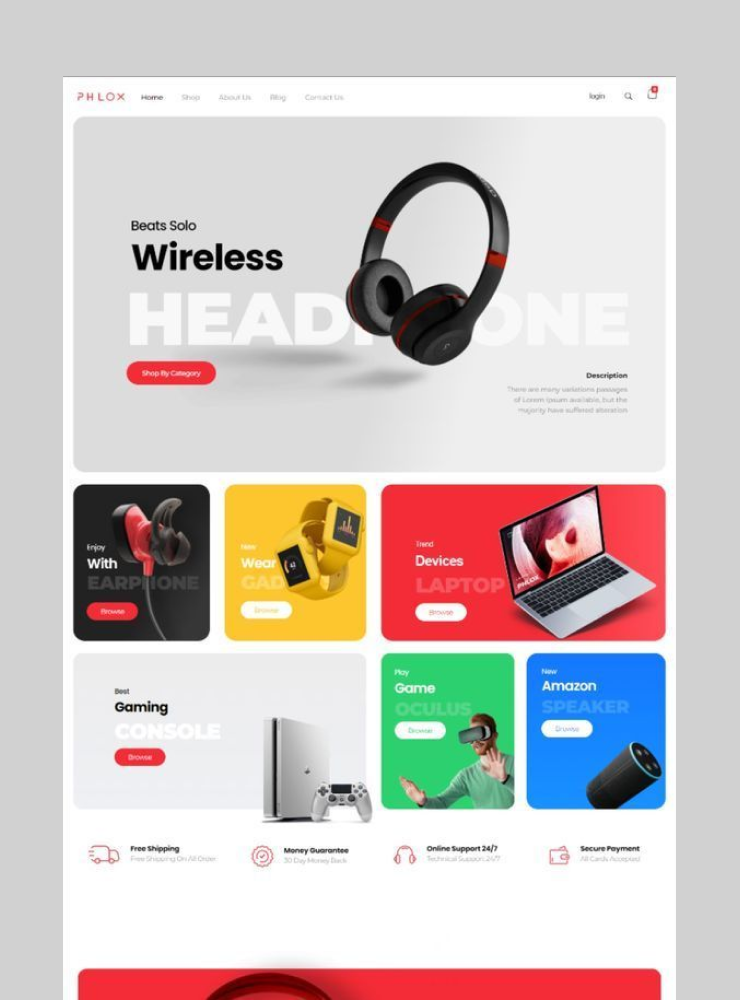
| Типи сторінок | About us, Basket, Blog archive, Blog page, Contacts, Home, Login/Register, My orders, Ordering, Product catalog, Product page |
|---|---|
| Функціонал сайту | Add to favorites, Ajax Search, Calculator, Delivery, Filters, Forms, Payments, Pop-up windows, Product comparison, Related posts, Variant goods |
| CMS | WordPress |
| Admin panel | WordPress |
| Серверне ПО | LiteSpeed |
| SSL-сертифікат | Let's Encrypt |
| Adaptability | Full screen, Laptop, Mobile landscape, Mobile portrait, Tablet landscape, Tablet portrait |
| Використання скриптів | AJAX, JavaScript, JQuery |
| Інтеграції | Binotel, Facebook Catalog, Facebook Pixel, Google Analytics, Google API, Google Maps, Google Merchant, Google Tag Manager, reCaptcha |
What is an online store?
An online store is an online platform that allows users to purchase goods or services directly over the Internet. This trading model provides huge advantages for both buyers and sellers. For buyers, it is the ability to make purchases at any time and from any place, which is convenient in a world where time and space are becoming increasingly limited. This has not only changed consumer habits, but also significantly changed the structure of the market: buyers have the opportunity to compare prices, read reviews and look for the best deals without leaving their homes.
Technological progress in online commerce allows for the introduction of new methods of personalizing purchases, in particular through recommendation systems that use the customer’s purchase history. This allows for more accurate offers, which increases the likelihood of making a purchase and increases the level of user satisfaction.
The main goals of an online store
Each online store has a number of main goals that are decisive for its success in the market:
– Providing customers with access to goods/services 24/7. Online stores allow users to make purchases without time restrictions, which is an important factor in a competitive environment.
– Expanding the audience beyond geographical location. The Internet makes it possible to sell goods anywhere in the world, which significantly increases the number of potential customers.
– Reducing the cost of maintaining physical points of sale. Since online stores do not require physical retail space, the cost of renting and maintaining a store is reduced.
– Increasing efficiency through automation of sales and customer service processes. Many processes, such as accepting orders, processing payments, or communicating with customers, can be automated, which increases work efficiency.
These goals become the basis for a long-term strategy for developing an online store, which allows not only to maintain competitiveness, but also to increase customer loyalty.
Interesting facts about online stores
The global development of online commerce is striking in its pace. Statista reports that global e-commerce sales will exceed $5 trillion in 2023, indicating a continued growth in demand for online shopping. Online shopping is also shaping new industries such as logistics, digital marketing, and artificial intelligence technologies, further contributing to the development of the global economy. The share of purchases made via mobile devices has also increased significantly – 63% of users now make purchases via smartphones, forcing store owners to pay more attention to mobile design.
Another important factor is personalization: using artificial intelligence to create individual recommendations increases sales by 30%. This allows online stores to create a more personalized experience for each user, which directly affects their loyalty and purchase frequency.
Forms of e-commerce
E-commerce encompasses various forms of interaction between market participants, which allows you to adapt business models to specific conditions:
– B2B (Business-to-Business) — Online stores that are focused on selling goods or services to other companies. This format is often used in wholesale trade or for specialized solutions for enterprises.
– B2C (Business-to-Consumer) — The most common form, focused on end consumers. It includes most of the usual online stores, from food to electronics.
– C2B (Consumer-to-Business) — This format is less common, but still important, when consumers offer their services or goods to companies, for example, through freelance platforms.
– C2C (Consumer-to-Consumer) — Platforms for selling goods between consumers. Examples are OLX, eBay, or other secondary market platforms.
Each of these formats has its own characteristics and requires different approaches in planning, marketing, and technical implementation.
Global Trends
E-commerce is evolving under the influence of a number of global trends that are shaping its future:
– Mobile commerce — The growing popularity of shopping via mobile devices is forcing developers to pay special attention to UX design for mobile platforms. Important aspects are fast page loading and adaptability to different screen sizes, which directly affects conversions.
– Artificial intelligence — The implementation of AI for data analysis and personalization of the shopping experience allows not only to improve recommendations, but also to predict customer needs, which significantly increases sales efficiency.
– Environmental friendliness — The modern consumer is increasingly focused on sustainable development, so the demand for environmentally friendly packaging and ethical products is growing.
– Integration with social networks — Platforms like Instagram are actively implementing shopping functions, allowing users to make purchases directly through their accounts. This has opened up new opportunities for marketing and increasing sales.
Online store development
Main stages
Online store development is a complex and multi-stage process that requires careful planning and execution of each stage:
1. Needs analysis — The first stage is to determine the target audience and product range. This allows you to create a store concept that will be as effective as possible for the chosen niche.
2. Platform selection — The choice between ready-made CMS platforms (for example, WordPress, Shopify) or developing an individual solution depends on the scale of the business and the specifics of the products.
3. Design — The interface should be convenient and attractive. This directly affects user loyalty and their desire to make purchases.
4. Development — Technical implementation of the online store functionality, from placing orders to integrating payment systems.
5. Testing — Checking the operability of all system elements, ensuring the security of user data and checking functions.
6. Launch and Support — Once your store is launched, it’s important to constantly monitor its performance, optimize processes, and update content.
The Importance of Design
The design of an online store is of great importance for the success of your business. Users should be able to quickly find what they need and make a purchase without unnecessary effort. Good design increases brand trust and contributes to better conversions, which is an important indicator of the effectiveness of an online store.
Logistics
Efficient logistics is one of the main components of the success of an online store. It not only ensures timely delivery, but also includes automation of processes such as order tracking. Choosing reliable logistics partners and integrating with their systems allows you to reduce costs and improve the quality of customer service.
Landing Page Optimization for Advertising
To attract customers, it is important to optimize landing pages for advertising. This includes:
– Google Ads: Using the right keywords and fast loading pages.
– Facebook and Instagram: Visually appealing ads and audience testing for better results.
Conclusions
Developing an online store is a complex process that requires planning, analysis, and continuous improvement. A successful online store must be customer-centric, with an intuitive design and efficient logistics. Such stores are able to adapt to changing market conditions, attract new customers, and retain regular ones.
Online store development
750 $
Економія
| Назва послуги | Ціна послуги | Додати |
|---|