One-page website development
A single-page website is designed to achieve a specific goal. It is most often used to sell goods, services, or collect user contact information. The goal depends on the business objectives.
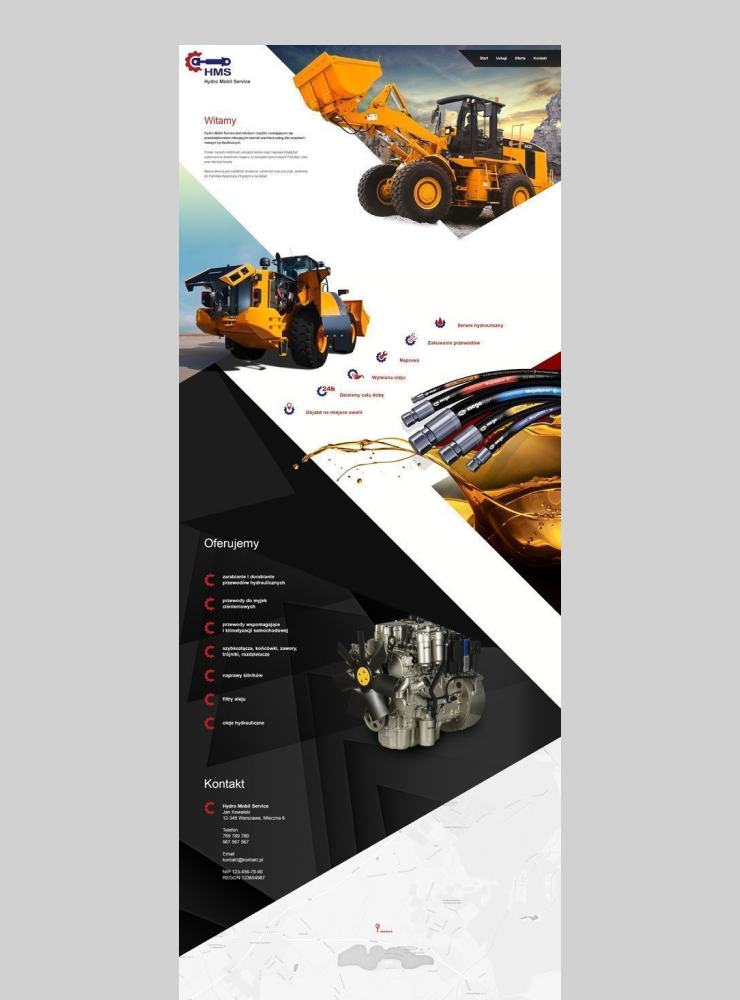
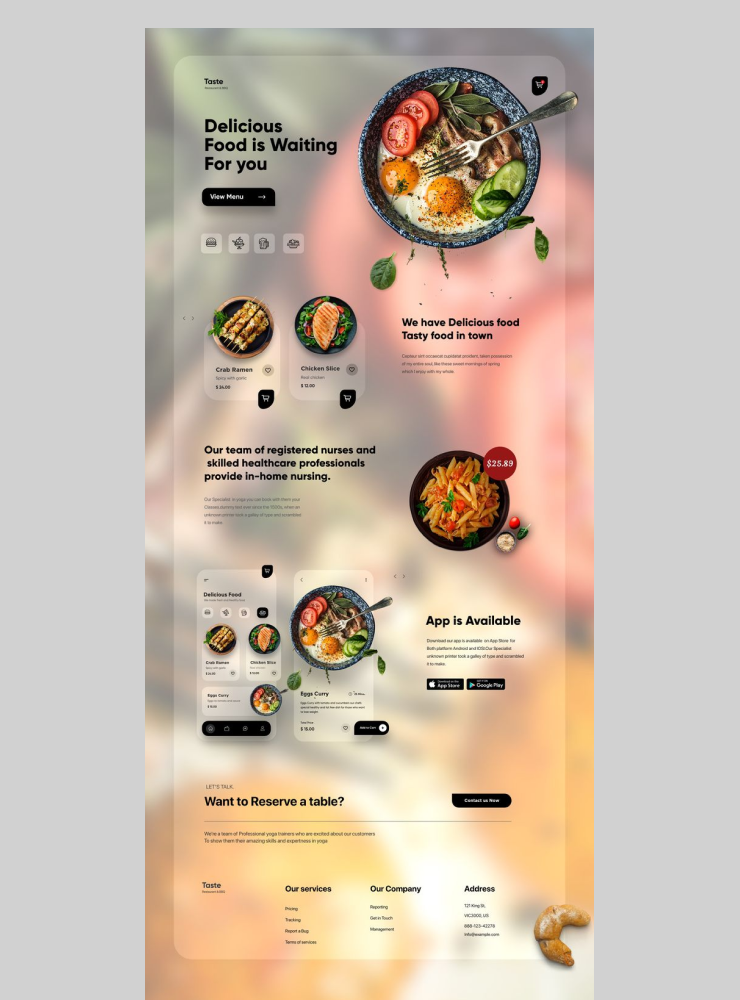
Our team of specialists creates landing pages with an emphasis on high conversion. We combine stylish design with intuitive information presentation, which ensures efficiency and a positive user experience.
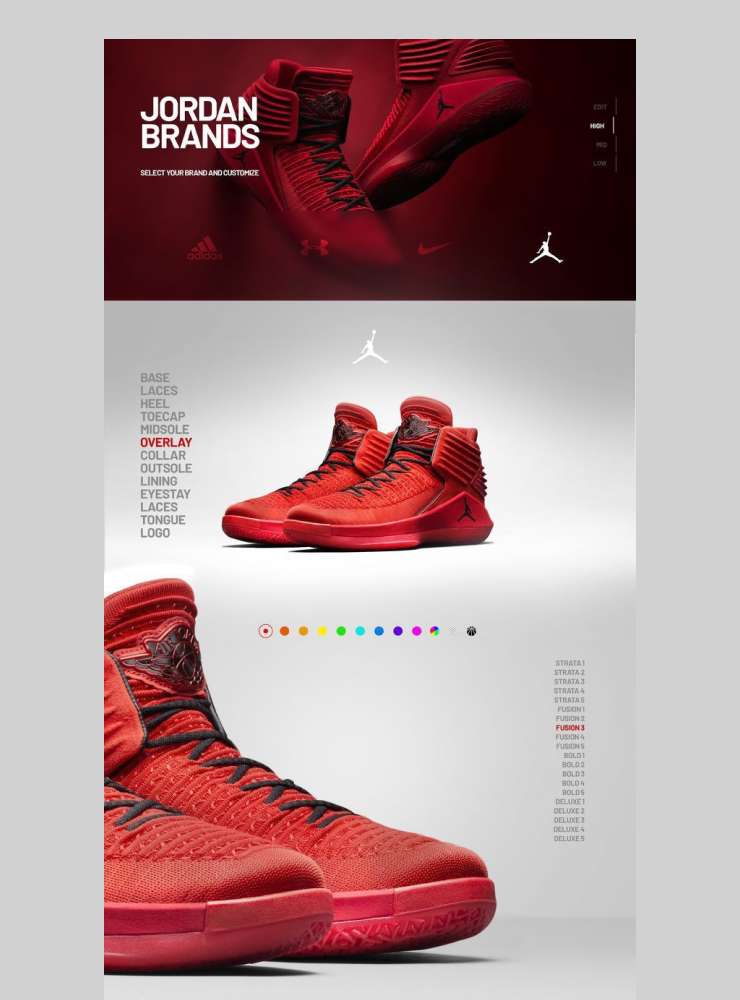
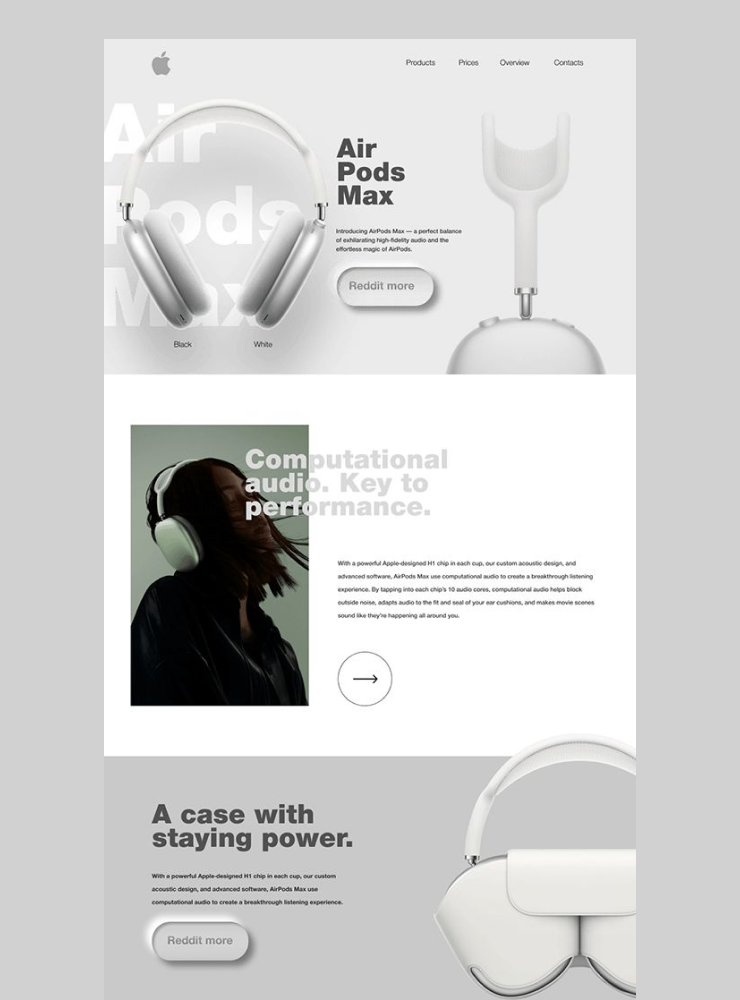
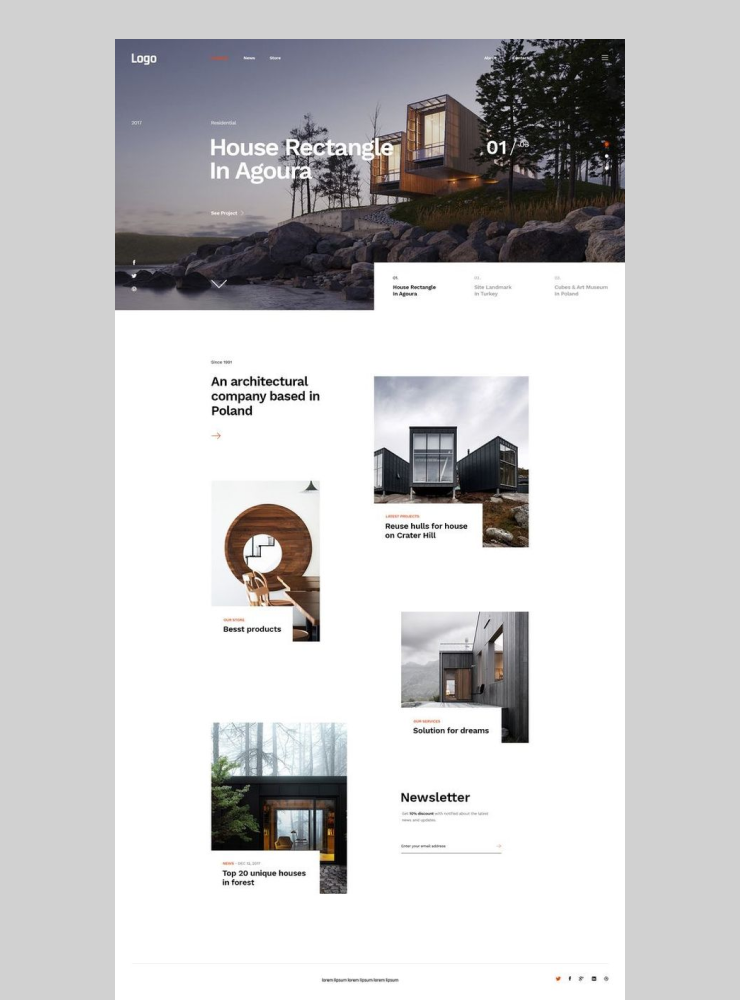
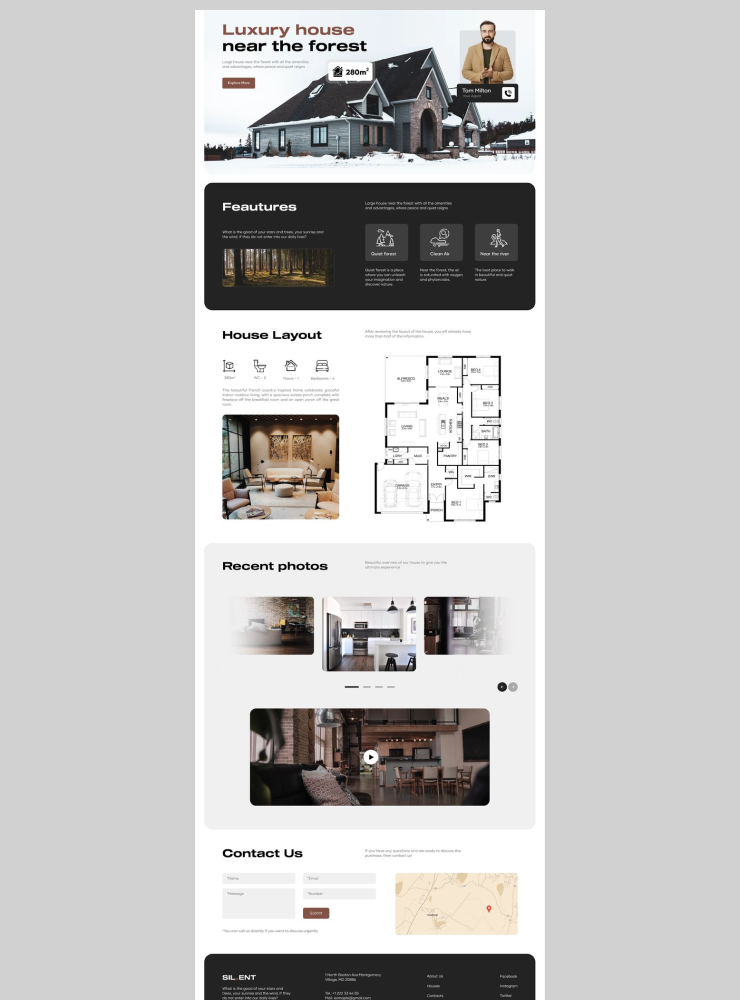

| Функціонал сайту | Forms, Pop-up windows |
|---|---|
| CMS | WordPress |
| Admin panel | WordPress |
| Серверне ПО | LiteSpeed |
| SSL-сертифікат | Let's Encrypt |
| Adaptability | Full screen, Laptop, Mobile landscape, Mobile portrait, Tablet landscape, Tablet portrait |
| Використання скриптів | AJAX, JavaScript, JQuery |
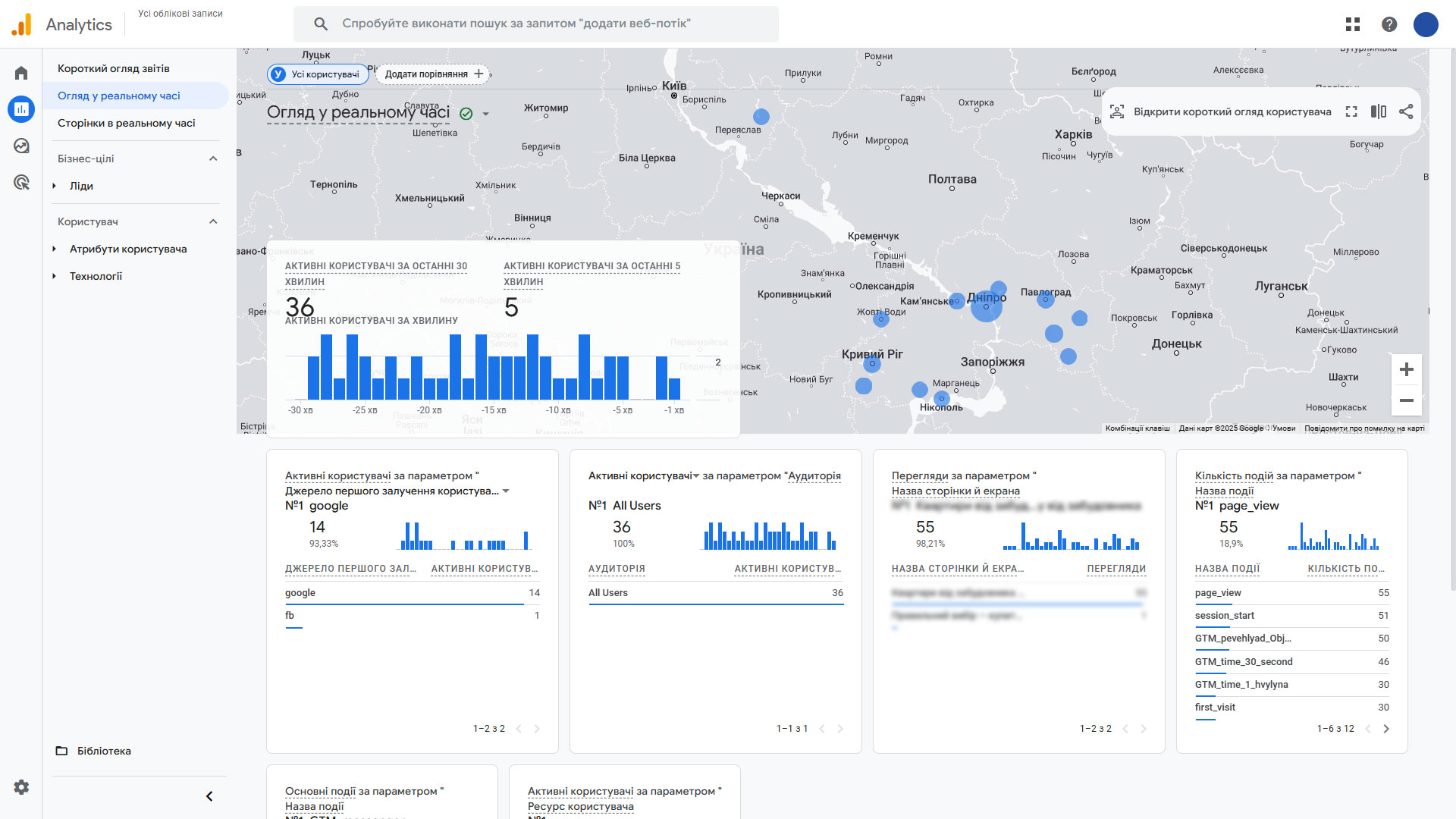
| Інтеграції | Binotel, Facebook Pixel, Google Analytics, Google API, Google Maps, reCaptcha |
What is a single-page site and what are its purposes
A single-page site (landing page) is not just a web page, but a whole concept that has become a real revolution in marketing communication. Its essence is to focus on one goal, avoiding unnecessary information that can distract the user. In today’s world, where time is becoming the most valuable resource, such sites are an ideal solution for conveying a clear and understandable offer.
Interesting facts
Here are some interesting facts and data from scientific studies about single-page sites:
1. User decision time
– A Microsoft study showed that a modern person makes a decision about interacting with a site within 8 seconds. Single-page sites with a clear design and a clear CTA help to keep attention at this critical time.
2. Reduce bounce rates
– According to Nielsen Norman Group research, the fewer clicks a user has to make, the more likely they are to take a targeted action. Single-page sites with a linear structure reduce bounce rates by 15-20% compared to multi-page sites.
3. Improve mobile experience
– Google analysis showed that 70% of users prefer sites that are easy to view on mobile devices. Single-page sites, due to their simplicity, are often more responsive to different screens.
4. Conversion depends on speed
– According to Think with Google, a delay in page load of just 1 second can reduce conversions by 7%. Single-page sites that minimize the number of resources usually load faster, which increases efficiency.
5. Micro-Animations and Their Impact on Attention
– A study by MIT Media Lab showed that animated elements during scrolling can increase user engagement by 22%, if they do not overload the interface. This is especially true for single-page sites with smooth transitions.
6. Connection with emotional response
– According to research by NeuroMarketing Labs, minimalist design of single-page sites with correctly selected colors can cause up to 40% stronger emotional response than complex multi-page sites.
7. SEO and behavioral factors
– While many believe that single-page sites have limited SEO capabilities, research by Ahrefs proves that the duration of stay on the page and low bounce rate can positively affect search rankings. The time spent on such sites is on average 30% longer than on multi-page sites.
8. Visual Memory
– According to a study by Stanford Persuasive Technology Lab, people remember the structure and appearance of a website within 3 seconds of viewing it. The simple and bright design of single-page websites makes them more recognizable.
These facts emphasize that single-page websites are not just a trend, but also an effective tool, confirmed by scientific data.
The main goals of using single-page websites
These pages are designed to be concise and effective at the same time. Imagine: you are looking for information about a new product, come across a single-page website, and in a few seconds you understand why this product is worth paying attention to. This is what makes them indispensable for:
– Advertising and promotions: They allow you to quickly attract attention and generate interest.
– Lead generation: No complicated forms or long descriptions – just clear steps to leave contacts.
– Event Launch: The visitor immediately sees what, where and when it will happen.
– E-commerce: Single-page websites can be a powerful tool for selling individual products or promotional offers.
Thus, they create the impression that every second of your attention is used as efficiently as possible.
Structure of a single-page website
Key elements
A well-planned structure is what makes single-page websites so convincing. They work like a book, where each section logically leads to the next.
Headline
This is the first thing the visitor sees. It should be bright and intriguing, because it depends on it whether the user continues to browse the site.
Subtitle
Reveals the promise of the headline, offering specific answers to the user’s needs.
Main content
Here it is important to convey why your offer is unique. This could be a list of benefits, interesting facts or statistics.
Call to Action (CTA)
“Try it now”, “Learn more”, “Leave a request” – phrases that encourage action. Their effectiveness depends on how well they meet the visitor’s expectations.
Social proof
The successes of others are always inspiring. Customer reviews, real cases or numbers will help convince the audience.
Contact information
It completes the user’s journey, providing the opportunity to contact or get additional information.
Infographics and tables
Do not forget that people love visual information. Graphs and charts make the perception of data quick and clear.
Design
Design Principles
Single-page websites prove that design is not just about beauty, but also about impact. Minimalism helps to focus attention, and intuitive navigation makes the user experience enjoyable. But the real magic is in the details:
– Responsiveness: In today’s world, where most users access the site from mobile devices, a site should look flawless on any screen.
– Interactivity: Smooth scrolling, animated elements, or even small details that change when you hover over them all add dynamics.
– Accents: Use contrasting colors to highlight important elements, such as buttons.
Why design matters
Imagine entering a site with a chaotic structure and inharmonious colors. Most likely, you will only stay for a few seconds. Therefore, design is not just about appearance, but also a means of building trust.
Goals
Single-page websites work like a shot. They have one clearly defined goal – from sales to increasing brand awareness. Their success depends on how accurately the site answers the customer’s questions.
Types of single-page sites
Reference Landing Pages
These sites resemble a library: they do not try to sell anything, but only provide information. They are ideal for SEO, as they help answer specific user queries. For example, a description of a product or service.
Transactional Landing Pages
This is a place where words turn into actions. Such sites call for a purchase, registration or subscription. For example, a page with a product order form.
Key differences
Type – Goal – Example
Link – Inform – Product description
Transaction – Action – Product sale
Landing page optimization in Google, Facebook, Instagram advertising
Key steps
1. Audience analysis
Find out what exactly your customers want.
2. A/B testing
Is your call to action working? Which headline is more effective? Experiment.
3. SEO optimization
The right keywords will make your site visible to Google.
4. Loading speed
No one will wait for your site to load.
5. Integration with analytical tools
Google Analytics is your best friend for tracking results.
Advertising features
Advertising is a bridge between the client and the site. Use it correctly:
– Google Ads: focus on keywords that exactly match your offer.
– Facebook/Instagram Ads: visual content is of paramount importance here.
Advantages and disadvantages of single-page sites
Advantages
– Ease of creation: you can launch a site in a few hours.
– High speed: single-page sites load faster than multi-page ones.
– Focus on the goal: no unnecessary distractions.
Disadvantages
– Scalability limitations: they are not suitable for complex products or a large amount of information.
– Risk of overload: too much information on one page can repel the user.
Additional aspects
Design trends
The world of design is constantly changing. Today, the popular ones are:
– Dark themes that look modern and stylish.
– 3D graphics that add depth and interactivity.
– Animated elements that capture attention.
Tools for creation
Not everyone has the time or resources to develop a site from scratch. Here are some to help:
– WordPress is perfect for a quick start.
– Google Analytics — analyze the performance of your site.
Conclusion
A single-page site is more than just a web page. It is the story you tell your customers and the path you take to take action. If created correctly, it will become a powerful tool that will work for you 24/7.
One-page website development
250 $
Економія
| Назва послуги | Ціна послуги | Додати |
|---|